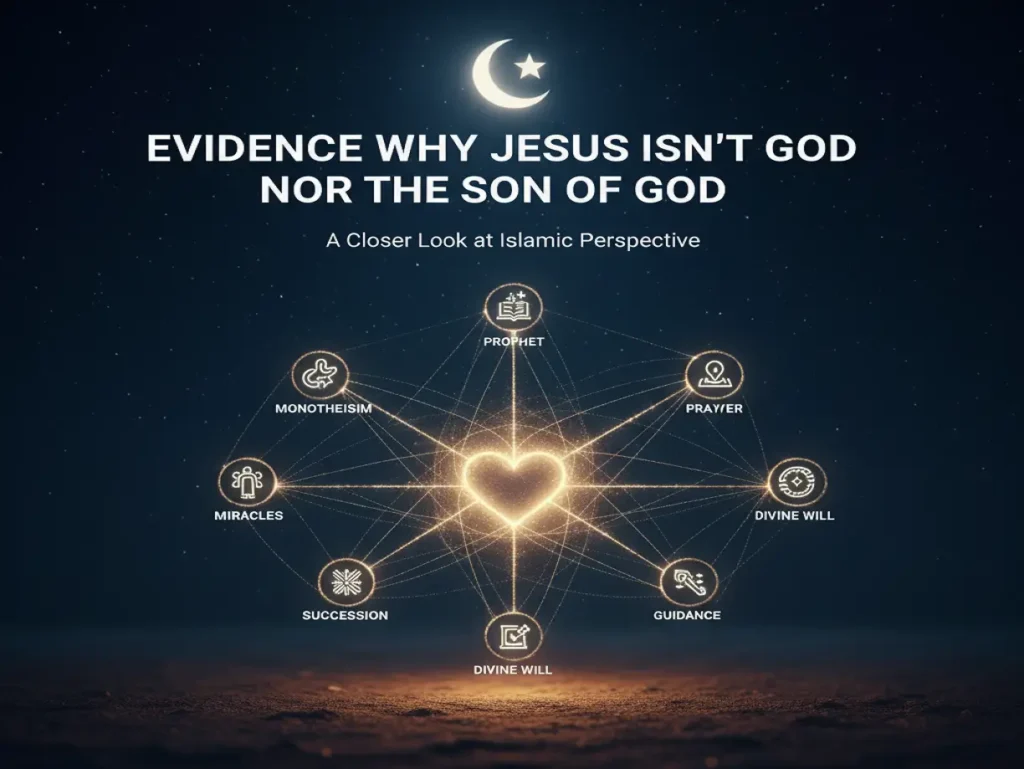
10 Evidence Why Jesus Isn't God nor the Son of God: A Closer Look at Islamic Perspective
In Islamic theology, the concept of Jesus (peace be upon him) holds immense significance as a revered prophet and messenger of Allah. While Christianity views Jesus as the Son of God and divine, Islam firmly upholds the belief in God’s oneness and considers Jesus a human prophet. This article aims to explore ten evidence-based reasons, from an Islamic perspective, supporting the belief that Jesus is not God nor the Son of God. By examining these points, we can gain a deeper understanding of Islamic teachings regarding the nature of Jesus and his role in the faith.
The core principle of Islam is the belief in the oneness of Allah. The Qur’an emphasizes the unequivocal monotheistic nature of God, rejecting the concept of a divine trinity. Islamic teachings emphasize that attributing divinity to any being other than Allah violates the fundamental principle of tawhid (oneness of God). Therefore, considering Jesus as God or the Son of God contradicts this central Islamic belief.
2. Jesus' Birth:
Muslims believe that Jesus was born through a miraculous birth to the Virgin Mary. The Qur’an describes this miraculous event, emphasizing that Jesus was a human being, created by Allah’s command “Be, and he was.” His miraculous birth, without a biological father, does not establish him as divine but instead highlights his unique status as a prophet.
3. Prophethood of Jesus:
Islam recognizes Jesus as one of the mightiest prophets, chosen by Allah to deliver His message to humanity. Throughout the Qur’an, Jesus is referred to as the “Messenger of Allah” or “Servant of Allah,” underscoring his position as a human servant and prophet, not as a divine entity. His mission was to invite people to worship Allah alone and to uphold righteousness.
4. Jesus' Prayers and Dependence on Allah:
In Islamic belief, Jesus is represented as a humble servant of Allah, constantly turning to Him in prayer and supplication. He exemplifies complete reliance on God for guidance, strength, and support. If Jesus were God or the Son of God, he would not need to pray or seek assistance from a higher power.
5. Jesus' Mortality:
Islam affirms that Jesus, like all prophets before him, was mortal and subject to the laws of nature. The Qur’an mentions that Jesus was born, ate food, and eventually experienced death. His mortality further substantiates the Islamic belief that he was a human prophet, not a divine figure.
6. Jesus' Miracles by Allah's Permission:
Islamic teachings acknowledge that Jesus performed miracles during his lifetime. However, these miracles were performed with the permission and support of Allah, emphasizing Jesus’ role as a chosen prophet and servant of God. His ability to perform miracles does not indicate his divinity but instead underscores Allah’s power working through him.
7. Jesus' Role in the Divine Plan:
According to Islam, Jesus played a significant role in fulfilling Allah’s plan for humanity. He was sent as a prophet to the Children of Israel, calling them to monotheism and guiding them towards righteous living. His mission was not to proclaim his own divinity but to emphasize the worship of Allah alone and to pave the way for the final revelation, the Qur’an.
8. Jesus' Teachings of Monotheism:
The teachings of Jesus, as conveyed in the Qur’an, consistently emphasize the worship of Allah and adherence to monotheism. He urged his followers to recognize Allah as God and submit to His will. These teachings align with the core principles of Islam, reinforcing Jesus’ role as a messenger of Allah, spreading the message of pure monotheism and calling people to worship their Creator directly. Jesus never claimed divinity or instructed his followers to worship him as God or the Son of God.
9. Absence of Explicit Claims:
One notable aspect is the absence of explicit claims from Jesus stating that he is God or the Son of God. The Qur’an, which Muslims believe to be the final revelation from Allah, does not attribute such claims to Jesus. If Jesus were divine or the Son of God, one would expect clear and unambiguous statements from him confirming his divine nature.
10. Consistency with Prophetic Succession:
Islam presents a consistent narrative of prophetic succession, where Allah chooses prophets to guide humanity. As part of this succession, Jesus is regarded as a prophet and messenger, following in the footsteps of previous prophets like Noah, Abraham, Moses, and Muhammad (peace be upon them). This consistent pattern reinforces the Islamic belief in the humanity of Jesus, aligning with the broader framework of prophethood in Islam.
Conclusion:
From an Islamic perspective, ten evidence-based reasons support the belief that Jesus is not God nor the Son of God. Islamic teachings emphasize the oneness of Allah and reject the concept of a divine trinity. Jesus is recognized as a highly esteemed prophet and messenger of Allah, with a mission to uphold monotheism and guide humanity. His miraculous birth, prayers to Allah, mortality, and consistent role within the prophetic tradition reinforce his status as a human servant of God. The absence of explicit claims and the emphasis on monotheism further solidify the Islamic perspective. Understanding these evidence-based points enables a deeper appreciation of Islamic theology surrounding Jesus and his pivotal role in the faith.
Heavy and Light Letters in Arabic (Tafkhīm and Tarqīq): A Complete Beginner-to-Advanced Guide Introduction: Why Heavy and Light Letters Matter When a...
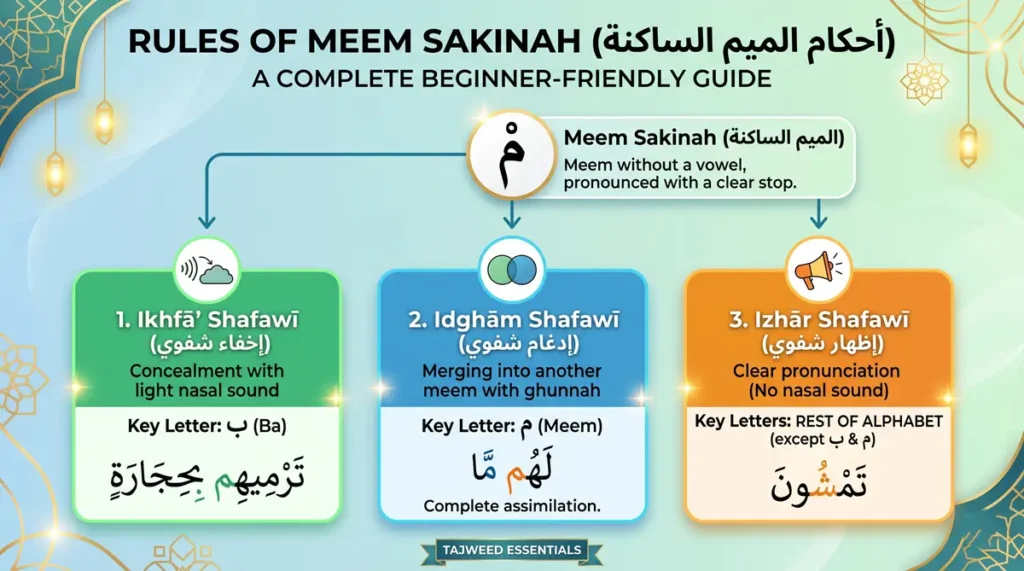
Rules of Meem Sakinah (أحكام الميم الساكنة): A Complete Beginner-Friendly Guide Meem Sakinah (الميم الساكنة) refers to the Arabic letter م (meem) that...