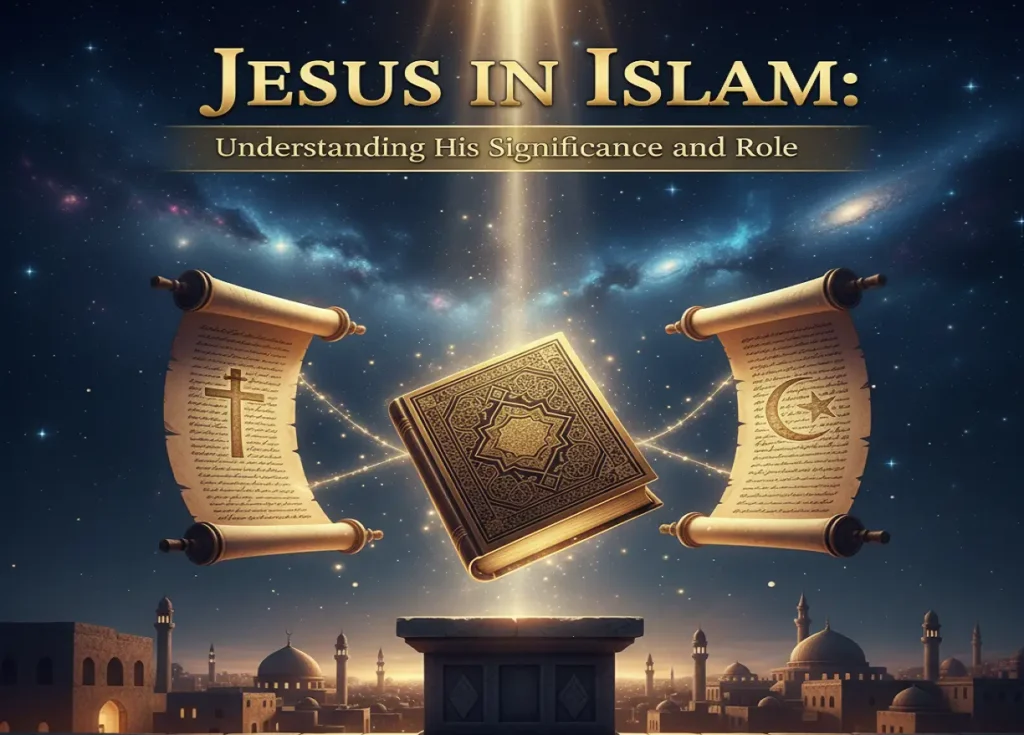
Jesus in Islam: Understanding His Significance and Role
Jesus holds a unique position in the Islamic faith, occupying a prominent role as a revered prophet and messenger of God. Though often associated with Christianity, Jesus, or ‘Isa in Arabic, is also a central figure in Islamic teachings. In this blog, we delve into the portrayal of Jesus in Islam, exploring his birth, miracles, teachings, and ultimate significance within the Islamic tradition. Drawing evidence from the Quran and the Sunnah, we aim to shed light on the perspective of Jesus in Islam, highlighting his spiritual and historical importance.
The Quran, the holy book of Islam, presents a comprehensive account of Jesus’ life and teachings. It affirms his miraculous birth to the Virgin Mary and emphasizes his prophetic status. In Surah Al-Imran (3:45-51), the Quran describes the angel Gabriel’s announcement of Jesus’ birth and his ability to perform miracles, including healing the sick and raising the dead. Moreover, the Quran emphasizes Jesus’ mission as a divine messenger sent to guide the Children of Israel.
Jesus’ Teachings and Message:
In Islam, Jesus is considered a righteous prophet who preached monotheism and moral uprightness. His core message aligns with the fundamental principles of Islam, emphasizing the worship of the One God, mercy, justice, and compassion. Jesus’ teachings, such as the importance of loving one’s neighbour and treating others with kindness, are celebrated in Islamic tradition. The Quran depicts Jesus as an exemplar of humility, patience, and devotion to God.
Jesus' Miracles and Unique Status:
Islamic tradition recognizes Jesus as a miracle worker, ascribing numerous extraordinary feats to him. The Quran attributes Jesus’ ability to perform miracles to God’s power and as a sign of his prophethood. Jesus’ miracles, such as healing the blind and lepers, breathing life into clay birds, and speaking in infancy, demonstrate his exceptional connection with the divine. However, Islam does not view Jesus’ miracles as proof of his divinity but as demonstrations of God’s will and favor.
Jesus' Crucifixion and Ascension:
The Islamic perspective on Jesus’ crucifixion differs from the Christian belief. According to Islamic teachings, Jesus was not crucified nor killed, but rather God raised him to Himself. This concept is expressed in the Quran in Surah An-Nisa (4:157-158). Islam teaches that Jesus’ apparent crucifixion was a deception orchestrated by God, preserving Jesus from harm and enabling him to fulfil his mission. Jesus’ ascension further reinforces his unique status as a chosen servant of God.
Jesus in Islamic Eschatology:
Islamic eschatology, the study of the end times, includes a significant role for Jesus. According to Islamic belief, Jesus will return to Earth in the latter days as a just ruler and a leader of the believers. His return, known as the Second Coming of Jesus with the “Mahdi” in Islamic tradition, is seen as a sign of the approaching Day of Judgment. This eschatological role highlights Jesus’ continued significance in Islam and underscores his role as a guiding figure in the final stages of human history.
Jesus in the Hadith:
In addition to the Quran, the Hadith, which comprises the sayings and actions of the Prophet Muhammad, also provides valuable insights into the position of Jesus in Islam. Numerous Hadith narrations shed light on Jesus’ virtues, teachings, and his return in the end times. The Hadith reinforces the reverence and respect Muslims hold for Jesus as a prophet and confirms his esteemed status within the Islamic faith.
Jesus as a Symbol of Unity and Hope:
Jesus serves as a symbol of unity and hope not only within Islam but also across different cultures and religious traditions. His teachings of love, compassion, and justice resonate with people seeking harmony and peace. The image of Jesus as a unifying figure can inspire individuals to work together towards common goals, such as social justice, alleviating poverty, and promoting human rights. By emphasizing the shared values found in the teachings of Jesus, people of diverse backgrounds can find common ground and strive for a more inclusive and compassionate society.
Jesus' Position in Islamic Theology and Doctrine
Islamic theology recognizes Jesus as a central figure in the belief system, with his position firmly established within the framework of Islamic doctrine. His inclusion as a prophet in the line of messengers, including Noah, Abraham, Moses, and Muhammad, underscores his significance. Understanding Jesus’ role within Islamic theology helps Muslims develop a comprehensive understanding of their faith and reinforces the unity of prophethood in Islam. This recognition allows Muslims to appreciate Jesus’ teachings and message as an integral part of their religious heritage.
Conclusion:
In Islam, Jesus is highly regarded as a significant prophet and messenger, embodying righteousness, compassion, and devotion to God. The Quran, the Hadith, and Islamic eschatology provide comprehensive insights into Jesus’ life, teachings, miracles, and ultimate fate. Muslims consider Jesus a divine emissary and anticipate his return in the latter days. By studying Jesus in Islam, we gain a deeper understanding of the shared values between Christianity and Islam, fostering interfaith dialogue. Recognizing the figure of Jesus as depicted in the Islamic tradition contributes to a broader appreciation of diverse religious perspectives and promotes mutual respect among different faith communities.
Heavy and Light Letters in Arabic (Tafkhīm and Tarqīq): A Complete Beginner-to-Advanced Guide Introduction: Why Heavy and Light Letters Matter When a...
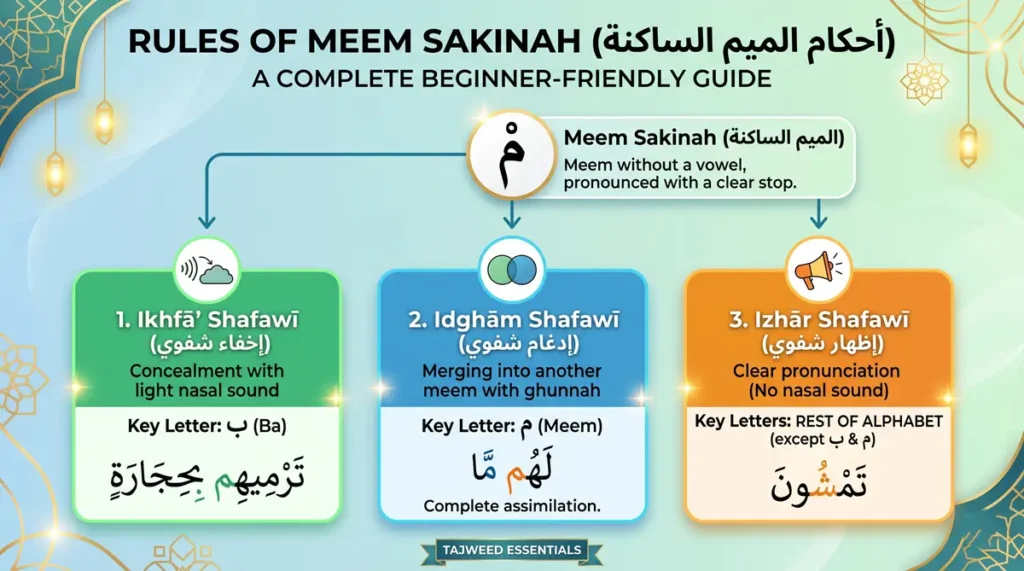
Rules of Meem Sakinah (أحكام الميم الساكنة): A Complete Beginner-Friendly Guide Meem Sakinah (الميم الساكنة) refers to the Arabic letter م (meem) that...